



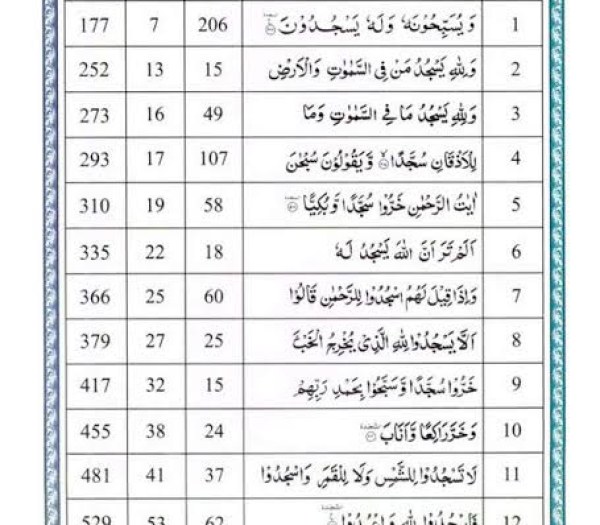
In Islamic prayer (Salat), there are several positions, and prostration (Sajda) is a crucial part of most of them. However, there is one specific prayer where prostration is not performed, and that is the "Salat al-Taraweeh."Salat al-Taraweeh is a special nightly prayer performed during the IslamicRead more
In Islamic prayer (Salat), there are several positions, and prostration (Sajda) is a crucial part of most of them. However, there is one specific prayer where prostration is not performed, and that is the “Salat al-Taraweeh.”Salat al-Taraweeh is a special nightly prayer performed during the Islamic month of Ramadan. It consists of lengthy recitations of the Quran, but unlike the five daily obligatory prayers (Salat al-Fajr, Salat al-Dhuhr, Salat al-Asr, Salat al-Maghrib, and Salat al-Isha), it does not include the prostration (Sajda). Instead, it mainly consists of standing, bowing (Ruku), and sitting.It’s important to note that while prostration is not a part of Salat al-Taraweeh, it is an essential component of the regular daily prayers in Islam.
See less



literally meaning of the word Nabi is informer but in the religious aspect, one meaning is added in that informer about hidden things that couldn't be known by senses. in Islam Nabi is a person upon whom Allah reveals his message.
literally meaning of the word Nabi is informer but in the religious aspect, one meaning is added in that informer about hidden things that couldn’t be known by senses. in Islam Nabi is a person upon whom Allah reveals his message.
See less