

Ask Saint Latest Questions

  1. The Eid prayer, whether it's Eid al-Fitr or Eid al-Adha, is a special congregational prayer in Islam. Here's a brief description of how to perform it:Intention (Niyyah): Begin by making a sincere intention in your heart to perform the Eid prayer.Congregational Gathering: Eid prayer is usually perforRead more

    The Eid prayer, whether it’s Eid al-Fitr or Eid al-Adha, is a special congregational prayer in Islam. Here’s a brief description of how to perform it:Intention (Niyyah): Begin by making a sincere intention in your heart to perform the Eid prayer.Congregational Gathering: Eid prayer is usually performed in an open area or a large prayer ground with a congregation of Muslims.Takbirat: After the congregation forms, the prayer leader (imam) says “Allahu Akbar” (Allah is the Greatest) seven times. Congregants follow by raising their hands and saying “Allahu Akbar” after each takbir.Recitation: After the takbirat, the imam recites verses from the Quran, typically Surah Al-Fatiha and another Surah.Ruku and Sujood: Unlike the regular daily prayers, the Eid prayer does not have a bowing (ruku) or prostration (sujood). After the recitation, the imam gives a short sermon (khutbah) offering advice and reminders.Takbirat in the Second Unit: The congregation then stands up and says “Allahu Akbar” for five takbirat, following the imam each time. After the takbirat, there is another short recitation and sermon.Salutations (Tasleem): The imam concludes the prayer by turning his head to the right and saying “As-salamu ‘alaykum” to end the prayer.Supplication and Socializing: After the prayer, it is customary to offer supplications for forgiveness and well-being. Muslims greet each other with “Eid Mubarak” (Blessed Eid) and exchange good wishes. They may also visit friends and family, give and receive gifts, and share festive meals.The Eid prayer is a time of celebration and communal unity for Muslims. It is typically performed in the morning of the Eid day, and attending the congregation is highly recommended for those who are able to do so.

    See less
  1. literally meaning of the word Nabi is informer but in the religious aspect, one meaning is added in that informer about hidden things that couldn't be known by senses. in Islam Nabi is a person upon whom Allah reveals his message.

    literally meaning of the word Nabi is informer but in the religious aspect, one meaning is added in that informer about hidden things that couldn’t be known by senses. in Islam Nabi is a person upon whom Allah reveals his message.

    See less
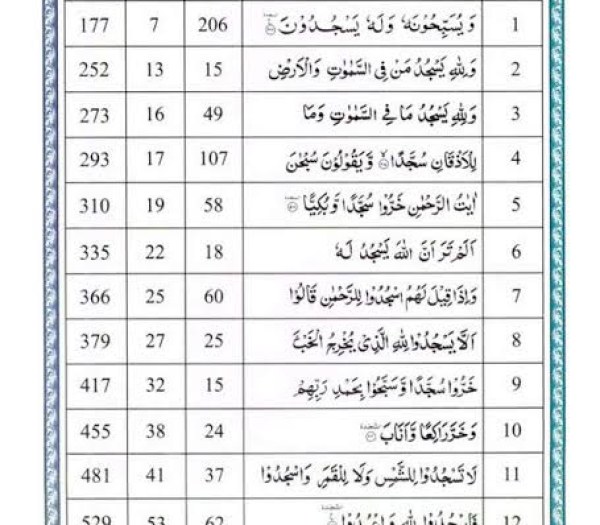
  1. In Islamic prayer (Salat), there are several positions, and prostration (Sajda) is a crucial part of most of them. However, there is one specific prayer where prostration is not performed, and that is the "Salat al-Taraweeh."Salat al-Taraweeh is a special nightly prayer performed during the IslamicRead more

    In Islamic prayer (Salat), there are several positions, and prostration (Sajda) is a crucial part of most of them. However, there is one specific prayer where prostration is not performed, and that is the “Salat al-Taraweeh.”Salat al-Taraweeh is a special nightly prayer performed during the Islamic month of Ramadan. It consists of lengthy recitations of the Quran, but unlike the five daily obligatory prayers (Salat al-Fajr, Salat al-Dhuhr, Salat al-Asr, Salat al-Maghrib, and Salat al-Isha), it does not include the prostration (Sajda). Instead, it mainly consists of standing, bowing (Ruku), and sitting.It’s important to note that while prostration is not a part of Salat al-Taraweeh, it is an essential component of the regular daily prayers in Islam.

    See less
  1. The Quran, also spelled as Qur'an or Koran, is the holy book of Islam. It is believed by Muslims to be the literal word of God as revealed to the Prophet Muhammad over a period of approximately 23 years, starting in the year 610 CE. The Quran is written in Arabic and is divided into chapters calledRead more

    The Quran, also spelled as Qur’an or Koran, is the holy book of Islam. It is believed by Muslims to be the literal word of God as revealed to the Prophet Muhammad over a period of approximately 23 years, starting in the year 610 CE. The Quran is written in Arabic and is divided into chapters called “surahs,” which are further divided into verses called “ayahs.”

    Key aspects of the Quran include:

    1. Religious Guidance: The Quran serves as the primary source of guidance for Muslims in matters of faith, morality, and daily life. It covers a wide range of topics, including theology, morality, legal principles, and stories of past prophets.

    2. Preservation: Muslims believe that the Quran has been preserved without any alteration since its revelation. The process of memorization and written recording has played a significant role in maintaining its integrity.

    3. Language and Style: The Quran is known for its eloquent and poetic language. Many Muslims consider it the highest example of the Arabic language’s beauty and sophistication.

    4. Themes: The Quran discusses various themes, including monotheism (belief in one God), guidance for personal conduct, social justice, and the afterlife. It also includes narratives of prophets such as Adam, Noah, Abraham, Moses, and Jesus, among others.

    5. Recitation and Prayer: The Quran is often recited during Islamic prayers (Salat), and its recitation is an essential part of Muslim worship.

    6. Interpretation: Scholars and theologians have developed a vast body of literature known as Tafsir to interpret and explain the Quranic verses, providing context and insight into its teachings.

    It’s important to note that interpretations and understandings of the Quran can vary among Muslims, leading to different schools of thought and legal traditions within Islam. The Quran is a foundational text for over a billion Muslims worldwide and holds immense significance in Islamic culture and religion.

    See less